Working on Starts - Mental and Physical
Trabajando en los comienzos: mental y físico
Many athletes struggle with the action process of turning stimulus recognition (seeing and hearing) into movement and physical action. Athletes also struggle with finding opportunities to learn and develop the repetitions necessary when working on their starts. Speed training can start with static positioning and move into more dynamic movement up to game-like actions. Our drills are designed to address these common challenges directly. We use intentional exercises that help you refine your situational awareness in order to increase your responsiveness and integrate quality repetitions into your practices. A powerful start can set the tone for your game performance and strategy. In training, a strong start helps establish a plan that will give you confidence to power your success!
Muchos atletas tienen dificultades con el proceso de acción de convertir el reconocimiento de estímulos (ver y oír) en movimiento y acción física. Los atletas también tienen dificultades para encontrar oportunidades de aprender y desarrollar las repeticiones necesarias al trabajar en sus salidas. El entrenamiento de velocidad puede comenzar con posiciones estáticas y evolucionar hacia movimientos más dinámicos hasta llegar a acciones similares a las del juego. Nuestros ejercicios están diseñados para abordar directamente estos desafíos comunes. Utilizamos ejercicios intencionales que te ayudan a perfeccionar tu conciencia situacional para aumentar tu capacidad de respuesta e integrar repeticiones de calidad en tus entrenamientos. Un inicio potente puede marcar la pauta para tu desempeño y estrategia en el juego. En el entrenamiento, un inicio fuerte ayuda a establecer un plan que te dará la confianza para impulsar tu éxito.

Overcoming Challenges
Superando desafíos
This video is one of my favorite teaching videos because I get a lot of questions about how to improve reaction time and also how to improve anticipation. Reaction is the moment the athlete receives stimulus (hear/see) to the first movement. It is a physical process. Anticipation is predicting what will happen before it happens, based on cues, experience, or patterns. It’s a mental process: you make a decision before the stimulus fully appears. Simply put, an athlete knows a pick is coming (because his team is good at communication) and now with no other immediate information has to anticipate his/her action. Switch, go over the pick, go under the pick, foul, change the plan. I was watching some college wcbb this weekend and there was one player who was getting picked when jumping passes or shooters.
Este video es uno de mis videos de enseñanza favoritos porque recibo muchas preguntas sobre cómo mejorar el tiempo de reacción y también cómo mejorar la anticipación. La reacción es el momento en que el atleta recibe un estímulo (escucha/ve) hasta el primer movimiento. Es un proceso físico. La anticipación es predecir lo que va a suceder antes de que ocurra, basándose en señales, experiencia o patrones. Es un proceso mental: tomas una decisión antes de que el estímulo aparezca completamente. En pocas palabras, un atleta sabe que se viene un bloqueo (porque su equipo tiene buena comunicación) y ahora, sin otra información, tiene que anticipar su acción. Cambiar, pasar por encima del bloqueo, pasar por debajo del bloqueo, cometer falta, cambiar el plan. Estaba viendo algo de baloncesto universitario femenino este fin de semana y había una jugadora que estaba siendo bloqueada al saltar para recibir pases o disparar.
So the solutions would be A) his team needs to communicate more and maybe earlier so he can anticipate better, B) he could ASK loudly for communication to help him make his decision and anticipate earlier, or his choice seemed to be always get picked out and then decide what to do next - no anticipation. With good communication, the athlete could anticipate earlier and then act faster to the next action in the flow of the game. If the athlete gets picked out without a plan (anticipation), he will look, and actually be/feel slower as he/she THEN, after the action, is forced to come up with a plan in the flow of the game. This is the mental skills part of speed. It is a good idea if players practice anticipation. As in games - they won't be correct every time. If they learn the game, and have been observant, this will help them anticipate. Also, As coaches, what we don't want to see is a player who gives up on the play if they anticipate wrong. They need to learn how to make corrections after incorrect 'guesses'. Players need to learn how to anticipate having to make corrections - practice being wrong
Entonces, las soluciones serían A) su equipo necesita comunicarse más y tal vez antes para que él pueda anticipar mejor, B) él podría PEDIR con fuerza la comunicación para ayudarle a tomar decisiones y anticiparse antes, o su elección parecía ser siempre esperar a que lo seleccionaran y luego decidir qué hacer a continuación, sin anticipación. Con una buena comunicación, el atleta podría anticipar antes y luego actuar más rápido en la siguiente acción dentro del flujo del juego. Si el atleta es seleccionado sin un plan (anticipación), él/ella mirará, y de hecho será/se sentirá más lento, ya que ENTONCES, después de la acción, se verá obligado a idear un plan durante el flujo del juego. Esta es la parte de habilidades mentales de la velocidad. Es una buena idea que los jugadores practiquen la anticipación. Como en los juegos, no tendrán razón cada vez. Si aprenden el juego y han sido observadores, esto les ayudará a anticipar. Como entrenadores, lo que no queremos ver es un jugador que se rinda en la jugada si anticipa mal.
In putting together a plan to develop better reaction time and improved anticipation, search these keywords in your chat gpt and get some ideas for drills and practices.
Al elaborar un plan para desarrollar un mejor tiempo de reacción y una anticipación mejorada, busca estas palabras clave en tu chat GPT y obtén algunas ideas para ejercicios y prácticas.
In this video below, observe the athlete physically. Hand position is important. are the hands at 12 o'clock for short, which power pushes for acceleration? A low-point player may need the starting hand position at 1 o'clock to improve quickness on the push. Does the head/shoulders/trunk rotation help lead the turn benefitting a higher point player. The functional capacity of the player may lead to unique or different ways to meld reaction time, skills development and anticipation Repetition, repetition, repetition.
As mentioned in the video, this player is still learning the anticipation involved when adding a ball in the drill. Play around with different sizes or types of balls to keep working reaction time and anticipation. See the pages on this website on dual process drills for learning.
En este video, observa físicamente al atleta. La posición de las manos es importante. ¿Están las manos a las 12 en punto para impulsos cortos de potencia para la aceleración? Un jugador de bajo nivel puede necesitar la posición inicial de las manos a la 1 en punto para mejorar la rapidez en el empuje. ¿La rotación de la cabeza/hombros/tronco ayuda a conducir el giro beneficiando a un jugador de punto más alto? La clasificación funcional del jugador puede llevar a formas únicas o diferentes de combinar el tiempo de reacción, el desarrollo de habilidades y la anticipación. Repetición, repetición, repetición.
Como se menciona en el video, este jugador aún está aprendiendo la anticipación que implica añadir una pelota en el ejercicio. Experimenta con diferentes tamaños o tipos de pelotas para seguir trabajando el tiempo de reacción y la anticipación. Consulta las páginas de este sitio web sobre ejercicios de proceso dual para el aprendizaje.
Unlock your potential with proven techniques to improve your starts, combining mental focus and physical drills. This page provides the resources you need to gain a competitive edge in wheelchair basketball.
Desbloquea tu potencial con técnicas comprobadas para mejorar tus arranques, combinando concentración mental y ejercicios físicos. Esta página ofrece los recursos que necesitas para obtener una ventaja competitiva en el baloncesto en silla de ruedas.
Mental Focus and Physical Feedback
Enfoque mental y retroalimentación física
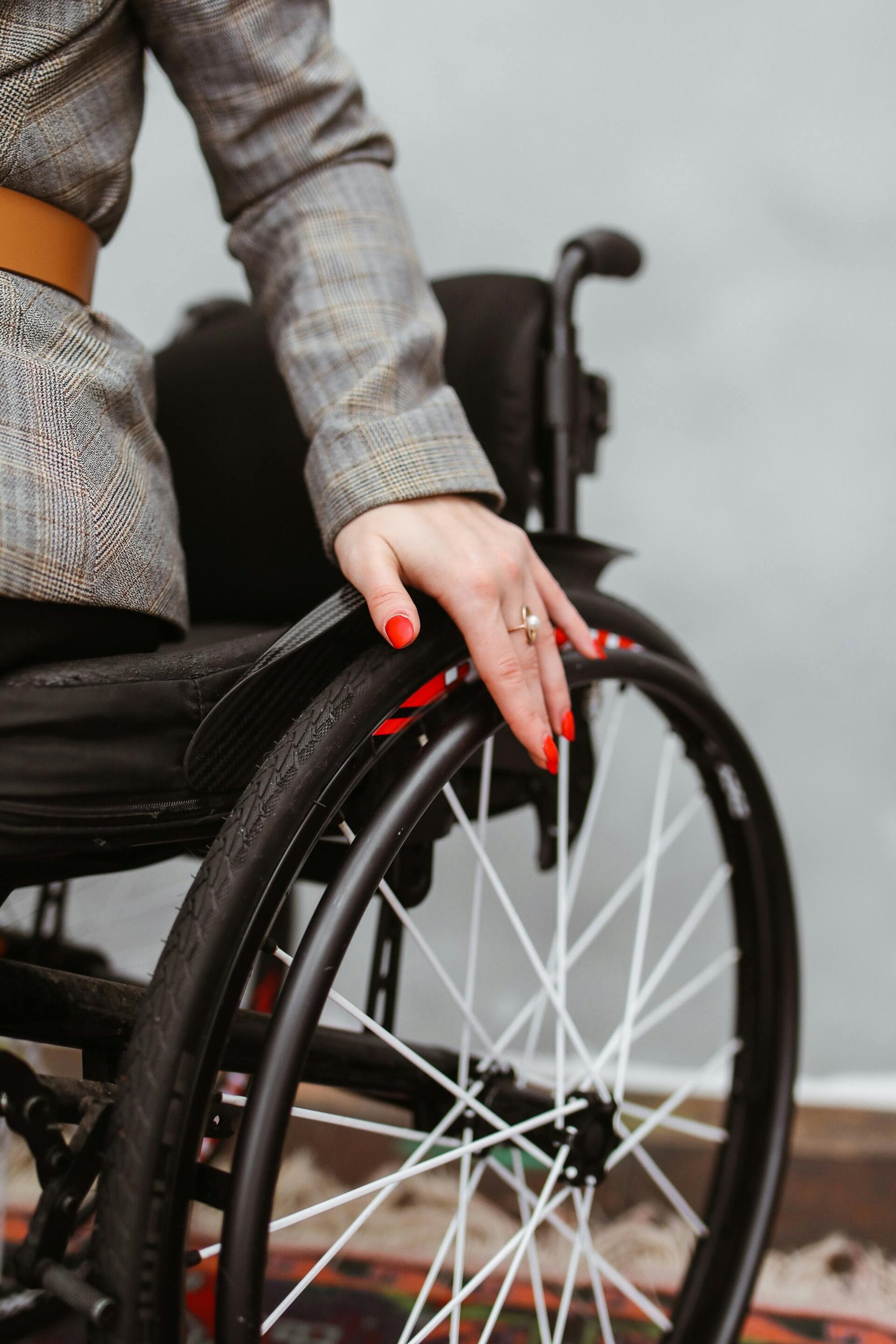
Spend your time wisely by focusing on the crucial interaction between mental focus and physical feedback. Each drill is designed not only to enhance your physical execution but also to sharpen your mental acuity. By consciously connecting your thoughts and actions, you can develop a more intuitive and effective starting technique.
Aprovecha tu tiempo sabiamente enfocándote en la interacción crucial entre la concentración mental y la retroalimentación física. Cada ejercicio está diseñado no solo para mejorar tu ejecución física, sino también para agudizar tu agudeza mental. Al conectar conscientemente tus pensamientos y acciones, puedes desarrollar una técnica de inicio más intuitiva y efectiva.
Ready to Get Started?
Elevate your game with speed training for wheelchair basketball in Fort Worth, Texas! Contact us today at 501/655-6507 or dgarner7191@aol.com].